Indonesia Work KITAS Visa (E23) – Complete Guide 2026

Indonesia has become one of Southeast Asia’s fastest-growing destinations for foreign professionals, skilled workers, executives, and international companies. For foreigners planning to work legally in Indonesia, the Indonesia Work KITAS Visa (E23) is one of the most important long-term residency and employment permits available. Unlike tourist or business visas, the Work KITAS allows eligible foreign nationals to legally live and work in Indonesia under official company sponsorship. Whether you are relocating to Bali, joining an Indonesian company, or working for an international business in Jakarta, understanding the Indonesia Work KITAS process is essential. What Is Indonesia Work KITAS Visa (E23)? The Indonesia Work KITAS Visa (E23) is a Limited Stay Permit issued to foreign nationals employed by Indonesian companies or legally registered entities. The process usually begins with: VITAS (Limited Stay Visa) After arrival in Indonesia, it is converted into: e-ITAS (Electronic Limited Stay Permit) Multiple Re-Entry Permit (MERP) This allows foreign workers to: – Live legally in Indonesia – Work under authorized sponsorship – Enter and exit Indonesia freely – Stay long term during employment period In simple terms, Work KITAS is Indonesia’s official work and residency permit for foreign employees. Types of Indonesia Work KITAS (E23) Indonesia commonly offers: E23 Work KITAS – 6 Months Suitable for: short-term projects temporary assignments contract-based employment E23 Work KITAS – 1 Year Most common option for: foreign employees managers hospitality workers teachers consultants E23 Work KITAS – 2 Years Suitable for: executives long-term professionals directors strategic company positions Extensions may be available depending on: employment validity company sponsorship immigration approval Who Needs Indonesia Work KITAS? Foreign nationals generally require Work KITAS if they plan to: work for Indonesian companies receive salary in Indonesia hold legal employment positions relocate for long-term work manage company operations under employment contracts Common applicants include: Managers Directors Consultants Engineers Hospitality professionals Teachers Marketing specialists Digital professionals Difference Between Work KITAS and Business Visa Many foreigners confuse: Business Visa and Work KITAS However, they serve completely different purposes. Business Visa Allows: – meetings – market research – business discussions Does NOT allow: – formal employment – receiving salary in Indonesia Work KITAS Allows: – legal employment – salary-based work – long-term residency – company-sponsored work activities Working in Indonesia without proper KITAS authorization may result in immigration penalties. Work Permit (IMTA) Requirement Foreign employees in Indonesia generally require work authorization approval in addition to immigration approval. This process commonly involves: Ministry of Manpower approval company sponsorship foreign worker justification work permit documentation The sponsoring company is usually responsible for: handling compliance submitting manpower applications coordinating legal employment authorization Immigration and manpower compliance are both essential for legal employment in Indonesia. Indonesia Work KITAS Requirements Applicants generally need: Personal Documents Passport valid for at least 6 months Recent passport-sized photograph Curriculum Vitae (CV) Educational certificates Work experience documents Company Documents The sponsoring company commonly provides: Company licenses NIB (Business Identification Number) NPWP (Tax Registration) Company registration documents Employment contract Sponsor documents Additional documentation may be requested depending on: profession company sector immigration review Sponsor Requirement for Work KITAS A sponsor is mandatory. The Indonesian employer is responsible for: work permit sponsorship immigration coordination legal employment authorization compliance obligations Foreign nationals cannot self-sponsor ordinary Work KITAS. Indonesia Work KITAS Application Process Step 1 – Company Sponsorship The employer initiates the sponsorship process. Step 2 – Work Permit & Manpower Approval Authorities review: employment role foreign worker eligibility company compliance Step 3 – VITAS Issuance Once approved, the electronic Limited Stay Visa (VITAS) is issued. Step 4 – Entry to Indonesia The employee enters Indonesia using the approved visa. Step 5 – KITAS Activation The visa is converted into: e-ITAS MERP This activates legal residency and work status. What You Can Do With Indonesia Work KITAS Work KITAS holders may: – Work legally in Indonesia – Receive salary from sponsoring employer – Reside long term in Indonesia – Open local bank accounts (depending on policies) – Travel in and out of Indonesia freely – Bring eligible family members Family Sponsorship Under Work KITAS Many foreign workers ask whether they can bring family members to Indonesia. In many cases, eligible dependents may apply for: spouse KITAS dependent KITAS family stay permits Eligibility depends on: sponsorship structure immigration approval supporting documentation What You Cannot Do Work KITAS holders may NOT: – Work outside sponsor authorization – Work for unauthorized companies – Conduct unrelated employment activities – Overstay permit validity Violations may result in: fines deportation blacklisting immigration sanctions Indonesia Work KITAS Processing Time Processing time varies depending on: manpower approval immigration review company documents profession category Typical processing timeline: approximately 2–6 weeks Complex cases may require additional review. Indonesia Work KITAS Cost Costs may vary depending on: visa duration manpower fees company sponsorship immigration charges In many cases, official manpower contributions may include: approximately USD 1,200 annually or USD 600 for shorter periods Additional professional and immigration fees may apply. Indonesia Work KITAS vs Investor KITAS Work KITAS Best for: employees sponsored workers foreign professionals Based on: employment relationship Investor KITAS Best for: shareholders business owners PT PMA investors Based on: ownership and investment Can Work KITAS Lead to KITAP? Yes. After several years of continuous legal residence, some foreigners may become eligible for: KITAP (Permanent Stay Permit) Eligibility depends on: immigration history sponsorship continuity compliance status Common Mistakes to Avoid Many applicants face delays or rejection because they: work using tourist visas misunderstand business visa limitations use incorrect sponsorship structures fail to renew permits on time assume business visas allow employment Immigration violations may lead to serious penalties. Why Foreign Professionals Move to Indonesia Indonesia attracts foreign professionals because of: growing economy international companies Bali lifestyle opportunities tourism and hospitality sector startup ecosystem regional business expansion relatively affordable lifestyle Popular destinations include: Jakarta Bali Surabaya Batam Bandung Indonesia Work KITAS Visa – Frequently Asked Questions What is Indonesia Work KITAS? Indonesia Work KITAS is a legal work and residency permit for foreign nationals employed by Indonesian companies. What is E23

Indonesia Employment Visa E27 religious visa

Indonesia Employment Visa E27 – Religious Worker Visa

The Indonesia Employment Visa E27 (Religious Worker Visa) is a specialized work visa issued to foreign nationals who will perform religious duties or preaching activities in Indonesia under an officially recognized sponsor. If you are planning to work in Indonesia as a religious worker, understanding the Indonesia Religious Worker Visa is essential to ensure full legal compliance and avoid immigration risks. What Is Indonesia Employment Visa E27? It is also known as the Indonesia Religious Worker Visa, is a limited stay visa (VITAS) granted to foreign nationals invited to carry out religious activities in Indonesia. This visa requires: a registered Indonesian sponsor (religious institution) a clearly defined religious purpose compliance with immigration and institutional regulations After entering Indonesia, the visa is automatically converted into: ITAS (Limited Stay Permit) MERP (Multiple Exit Re-Entry Permit) This allows you to legally live and travel within Indonesia during your stay. Who Can Apply for Indonesia Employment Visa E27? It is is intended for foreign nationals engaged in religious activities. Eligible applicants include: preachers religious teachers missionaries faith-based community leaders Typical examples: Islamic preachers (da’i) pastors or church leaders religious educators missionaries working with registered institutions 👉 All activities must match the approved visa purpose. Duration and Validity This Visa offers flexible stay options: up to 180 days (extendable) up to 1 year (extendable) up to 2 years (extendable) Important: The visa must be used within 90 days from issuance After arrival, ITAS and MERP are issued automatically Visa Validity vs Stay Period Many applicants confuse this: Visa validity (90 days) → time to enter Indonesia Stay permit (ITAS) → actual duration of stay 👉 Always check your visa approval carefully. Activities Allowed Under Indonesia Employment Visa E27 With the Indonesia Religious Worker Visa (E27), you can: conduct religious preaching or teaching participate in religious programs work with registered religious institutions travel in and out of Indonesia (with MERP) bring eligible family members engage in approved educational activities carry out limited personal or tourism activities Legal Obligations and Compliance Religious activities are sensitive in Indonesia. Therefore, compliance is strictly monitored. You must: follow Indonesian laws and regulations respect religious harmony and local culture work only within your approved role comply with your sponsoring institution maintain valid documentation Violations may result in: visa cancellation deportation blacklisting legal consequences Prohibited Activities Under E27 Visa Under the Employment Visa E27, you can NOT do the following: perform activities outside your religious purpose work for unrelated companies conduct business or commercial activities violate public order or religious harmony 👉 The visa is strictly limited to religious work. Requirements for Indonesia Employment Visa E27 Applicants must prepare the following documents: Personal Documents passport valid for at least 6 months recent color photograph curriculum vitae (CV) travel itinerary bank statement (minimum USD 2,000 for last 3 months) Sponsorship & Legal Documents guarantee letter from Indonesian religious institution work permit approval from Ministry of Manpower supporting documents confirming religious activities 👉 All documents must be accurate and verifiable. Application Process for Indonesia Employment Visa E27 The process includes: 1. Sponsorship Submission A registered religious institution submits your application. 2. Work Permit Approval Approval is obtained from the Ministry of Manpower. 3. Visa Application (VITAS) Application is submitted through Indonesia’s e-visa system. 4. Entry to Indonesia You enter Indonesia using the approved visa. 5. ITAS & MERP Issuance Automatically issued upon arrival. Why the Employment Religious Visa Is Important Indonesia has strict regulations regarding foreign religious activities. Using the wrong visa (such as a tourist visa) may result in: immediate deportation legal penalties long-term entry bans This Visa ensures: legal protection compliance with regulations structured and approved religious work Conclusion The Indonesia Employment Visa E27 Religious (Worker Visa) is the official legal pathway for foreign religious workers in Indonesia. With clear regulations and strict compliance requirements, this visa ensures that religious activities are conducted responsibly and lawfully. 👉 Proper sponsorship and documentation are essential to avoid legal risks. Need Professional Assistance? Sam Consulting provides: E27 visa processing support sponsorship structuring work permit handling full immigration compliance 👉 Our team ensures a safe, fast, and fully compliant process.  

visa on arrival countries list 2026

Visa on Arrival Indonesia Countries List 2026

The Visa on Arrival Indonesia Countries List 2026 determines which nationalities are eligible to enter Indonesia using the Visa on Arrival (VoA) or electronic Visa on Arrival (e-VoA) system. If you are planning to visit Indonesia, the first and most important question is: Is your country included in the Visa on Arrival Indonesia countries list? What Is the Visa on Arrival Indonesia? The Visa on Arrival Indonesia (VoA) is a single-entry visit visa designed for short-term stays. It allows foreign nationals to enter Indonesia for: tourism visiting family or friends attending meetings, exhibitions, or events short non-income activities The most common type is the B1 Visa on Arrival, which provides: 30 days stay extendable once (up to 60 days total) no sponsor required Visa on Arrival Indonesia Countries List 2026 Below is the Visa on Arrival Indonesia Countries List 2026, based on the latest immigration eligibility framework: 🌏 Asia Bahrain, Brunei Darussalam, Cambodia, China, Hong Kong, India, Japan, Kazakhstan, Kuwait, Laos, Macau, Malaysia, Maldives, Myanmar, Oman, Philippines, Qatar, Saudi Arabia, Singapore, South Korea, Taiwan, Thailand, Timor-Leste, Turkey, United Arab Emirates, Uzbekistan, Vietnam 🌍 Europe Albania, Andorra, Austria, Belarus, Belgium, Bosnia and Herzegovina, Bulgaria, Croatia, Cyprus, Czech Republic, Denmark, Estonia, Finland, France, Germany, Greece, Hungary, Iceland, Ireland, Italy, Latvia, Liechtenstein, Lithuania, Luxembourg, Malta, Monaco, Montenegro, Netherlands, North Macedonia, Norway, Poland, Portugal, Romania, Russia, San Marino, Serbia, Slovakia, Slovenia, Spain, Sweden, Switzerland, Ukraine, United Kingdom, Vatican City 🌎 Americas Argentina, Brazil, Canada, Chile, Colombia, Ecuador, Mexico, Peru, United States, Venezuela 🌏 Oceania Australia, New Zealand 🌍 Africa South Africa Important Notes About Visa on Arrival Indonesia country list The Visa on Arrival Indonesia countries list may change at any time Eligibility applies only to ordinary passport holders Some nationalities may be subject to additional checks 👉 Always verify your eligibility before traveling. What If Your Country Is NOT Eligible (not in Visa on Arrival Indonesia countries list 2026?) If your country is not included in the Visa on Arrival Indonesia countries list, you must apply for a Visa like: Visit Visa (B1 – Offshore) Business Visa Work or Investor KITAS Tourist Visa Failing to do so may result in: denied boarding entry refusal immigration penalties Indonesia immigration enforcement has become strict and fully system-based, especially in 2025–2026. Why the Visa on Arrival Indonesia countries list 2026 Matters The Visa on Arrival Indonesia Countries List 2026 is not just a reference — it directly determines: whether you can enter Indonesia easily whether you need advance visa approval how smooth your immigration process will be Conclusion The Visa on Arrival Indonesia Countries List 2026 is essential for every traveler planning to visit Indonesia. While many countries are eligible, the list is dynamic and subject to updates. 👉 The safest approach is always to verify your eligibility before travel. Need Help Checking Your Eligibility? Sam Consulting provides: real-time eligibility verification e-VoA application support visa consultation and strategy full immigration assistance 👉 If you want to avoid rejection, delays, or confusion, our team will guide you step-by-step.

KITAS indonesia

The Ultimate Guide to Indonesia KITAS – 2026

Living, working, or investing in Indonesia requires more than entering the country with a valid visa. If you plan to stay medium- or long-term, you must understand Indonesia’s structured residency system. At the center of this framework stands the KITAS (Kartu Izin Tinggal Terbatas). This permit defines your legal status, your permitted activities, and the duration of your stay. Therefore, choosing the correct KITAS category is critical for compliance and long-term planning. What Is a KITAS? A KITAS is Indonesia’s Limited Stay Permit. It allows foreign nationals to reside in the country for a specific purpose and period. Unlike a regular visa, KITAS grants residency status under immigration law. In practice, KITAS determines: How long you may stay What activities you may perform What obligations you must fulfill VITAS vs ITAS vs KITAS: Understanding the Difference Many foreigners confuse these terms. However, they represent different stages. VITAS is an entry visa. Immigration issues it before you arrive in Indonesia. It allows entry but does not grant residency. ITAS is the actual stay permit. Immigration grants it after you complete registration and biometrics. KITAS is the commonly used term for ITAS in daily practice. Therefore, a visa alone does not give residency rights. Only ITAS (KITAS) does. Why KITAS Matters? Holding the correct KITAS allows you to: Reside legally in Indonesia Open bank accounts Obtain a driving license Register with local authorities Build eligibility toward permanent residency (KITAP) Conversely, operating under the wrong permit may lead to fines, deportation, or entry bans. Which KITAS or Long-Term Permit Do You Need? Indonesia issues different permits depending on your legal purpose. Therefore, selecting the right category is essential, as each permit strictly limits what activities are allowed. Using the wrong permit—even unintentionally—can result in serious immigration consequences. 1. Work KITAS (Index E23) The Work KITAS applies to foreign professionals employed by Indonesian companies. To qualify, you must have: A sponsoring company Approved RPTKA (Foreign Manpower Utilization Plan) This permit ties you to a specific employer and position. Consequently, if you change jobs, you must apply for a new KITAS. 2. Investor KITAS (Index E28 Series) The Investor KITAS applies to shareholders and directors of PT PMA companies. Unlike Work KITAS, this permit is ownership-based. Moreover, it often offers longer validity—typically up to two years. It suits founders and strategic investors who manage their businesses directly. 3. Digital Nomad Visa (Index E33G) The Digital Nomad Visa allows remote professionals to reside in Indonesia while working for overseas clients. However, income must originate entirely outside Indonesia. In addition, you may not engage with Indonesian clients or receive local payments. This visa is valid for up to one year and remains renewable if you meet the conditions. 4. Family KITAS Family KITAS allows dependents of KITAS holders or foreign spouses of Indonesian citizens to reside legally. However, it does not grant work rights. Therefore, if you intend to work, you must obtain separate authorization. Although holders do not work, they must still comply with reporting and renewal requirements. 5. Retirement & Long-Term Residency options: Indonesia offers several long-term stay options specifically designed for non-working foreign residents, catering to individuals who wish to reside in the country for lifestyle, retirement, or strategic residence purposes without engaging in local employment. These options differ in duration, financial requirements, and legal scope, but all are structured to allow lawful residence while clearly restricting participation in Indonesia’s labor market. The Retirement KITAS (Index E33F) is available to foreign nationals aged 60 years and above. Applicants must demonstrate sufficient financial capacity to support themselves during their stay and provide proof of long-term accommodation in Indonesia, either through ownership or a formal lease. This permit is intended solely for retirement and residential living and strictly prohibits any form of employment or business activity within Indonesia. The Second Home Visa (Index E33) provides a longer residency option of five to ten years and does not require a local sponsor. Eligibility is based on proof of substantial financial means, such as a qualifying bank balance or ownership of high-value residential property in Indonesia. This visa is particularly suitable for individuals and families seeking long-term stability and repeated residence without employment obligations. The Golden Visa (Indexes E28B, E28C, and E28D)https://samkonsulting.com/golden-visa-in-indonesia/ targets high-net-worth individuals and strategic investors. This program grants extended residency rights in exchange for regulated investments, such as government bonds, equity participation, bank deposits, or capital investment in Indonesian companies. The Golden Visa offers enhanced flexibility, longer validity periods, and administrative privileges, making it a strategic residency option for individuals with significant financial and investment interests in Indonesia. 6. Special Categories Special residency categories in Indonesia are designed for specific purposes outside employment or investment: The Ex-Indonesian Citizen Stay Permit (E32) allows former Indonesian nationals who have obtained foreign citizenship to reside in Indonesia for extended periods (1 – 10 years stay time). This permit is subject to strict eligibility criteria, proof of former nationality, and ongoing immigration compliance. The Student Stay Permit (E30) is issued to foreign nationals enrolled in accredited educational, research, or academic programs and requires sponsorship by a recognized institution. It is valid for 6 months to 2 years stay permit. Both permits are strictly purpose-specific and do not permit employment or commercial activities beyond their approved scope. The KITAS Application Process The KITAS application process generally consists of four stages: First, a valid sponsor must be established, whether a company, spouse, or institution. Second, an offshore e-Visa (VITAS) is issued prior to entry. Third, upon arrival, the applicant completes biometrics and registration at immigration. Finally, the digital KITAS is issued electronically. (sent by email) Physical KITAS cards are no longer provided under current regulations. Mandatory Post-KITAS Registrations After receiving a KITAS, additional registrations may be legally required depending on the permit type and duration of stay. These may include: SKTT (Surat Keterangan Tempat Tinggal) is a civil registration with the local population office confirming the foreigner’s residential address. STM (Surat Tanda Melapor) is a mandatory notification to the local

BPJS Registration in Indonesia

BPJS Registration in Indonesia You Should Know

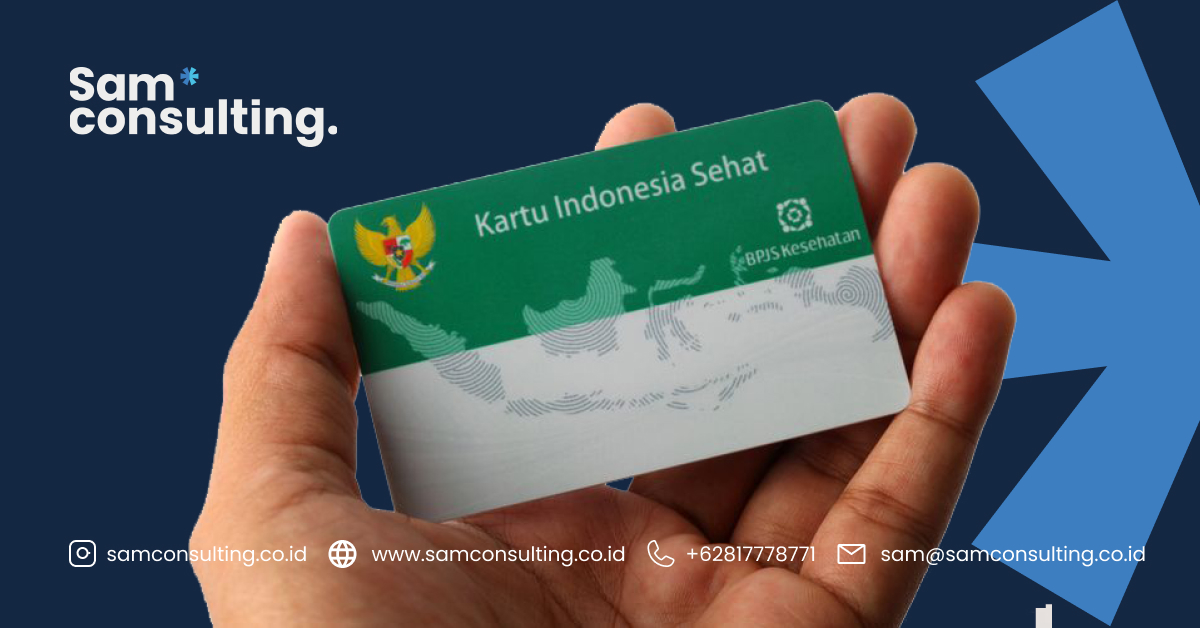
What Is BPJS? The Social Health Insurance Administration Body or BPJS is a public legal entity established to administer social programs.  BPJS is required not only for Indonesian but also for expatriates or foreigners who have been living in Indonesia for 6 (six) months or more to obtain BPJS Kesehatan (Health Security BPJS). In addition, if you are a KITAS holder, you will not able to extend it, unless you have a BPJS.   Type of BPJS There are two kinds of BPJS as follows: Health Security BPJS. It is a type of national insurance that all Indonesian residents should have. Also, it provides 3 types of healthcare BPJS to its members, namely:  Basic healthcare services. Advanced healthcare services. Hospitalisation services. Please note that BPJS will not cover some advanced medical treatments, such as heart surgery and some advanced dental treatments. However, if you are willing to obtain more services, you can join other independent healthcare insurance at your own expense.  Do you need our help? Please contact us by WhatsApp   Social Security BPJS. If you work in a company for both local or foreign companies, you will obtain BPJS Ketenagakerjaan (Social Security).  In addition, if you are a business owner, you must register all staff to obtain BPJS Ketenagakerjaan Card. However, if you are working a freelancer and would like to have one, you can register as an independent Social Security BPJS member. This Social Security BPJS gives basic protections, as follows: Old Age Guarantee (Jaminan Hari Tua / JHT). Working Accident Protection (Jaminan Kecelakaan Kerja / JKK). Death Protection (Jaminan Kematian / JK). Pension Protection (Jaminan Pensiun / JP). This kind of Social Security program should be paid monthly by your company and you as a card holder in accordance with the type of protection and amount of monthly salary you obtain. However, for an independent member, you should pay all by yourself the monthly fee.   When Contribution Payment Due Date? The payment due of contributions is on the 10th of every month and the following business day if the 10th is on the weekend or public holiday.   Required Documents to Obtain BPJS Here are the documents you should prepare to apply for BPJS: Completed registration form. Copy of KTP (Indonesian National ID card). Copy of Kartu Keluarga (KK- family card). Two photos with the size of 3 x 4 cm for each member of the family. May also be asked for your NPWP.     Procedure to Obtain  For foreigners who would like to apply for BPJS, Sam Consulting offers a BPJS service that makes it easy for you to obtain BPJS.  That’s all the review of BPJS. If you need more information regarding BPJS, please contact SAM Consulting with a professional team ready to help at any time. Furthermore, SAM Consulting has a 10 years proven track record of handling international clients. Do you need our help? Please contact us by WhatsApp

How to obtained halal certification

Halal Certification Indonesia: A Guide to Obtain It

What Is Halal Certification Indonesia? Halal certification in Indonesia is a declaration to prove that the products meet Islam law. The certification is issued by the Halal Products Certification Agency (BPJH), a new government agency under the Ministry of Religious Affairs. Previously, the Halal Certification is issued by The Council of Indonesian Ulama (Majlis Ulama Indonesia). Halal means all products and services that do not contain prohibited materials, ingredients, or unlawful methods in accordance with Islamic sharia law. Also, the Halal Law regulates the processing, materials, and certification of Halal products   Which Products Must be Halal Certification? Based on Government Regulation Number 39/2021, there are some goods and services that must be Halal Certified as follows: Goods Food and beverages; Pharmaceuticals; Cosmetics; Chemical products; Genetically modified products; Biological products; and Other goods people utilize. Services Processing; Storage; Packaging; Distribution; Animal slaughter; and Sales. Do you need our help? Please contact us by WhatsApp   The Aim of Halal Certification Indonesia The aims of obtaining Halal Certification are as follows: Protect Muslim consumers’ rights towards nonhalal products. Give legal certainty to Muslim consumers that the products of food and beverages are halal based on Islam law. Prevent Muslim consumers consume non-halal products. Increase added value for the businessmen to produce and sell Halal products.   Validity and Renewal The halal certification in Indonesia is valid for four years. If you want to renew it, make sure no later than three months before its expiration date as long as the composition and process of production do not change.   Requirements to Obtain Halal Certification Please note that it is a must that any products that sell with the Halal label must have the Halal Certification from Indonesia. For Halal certificates from other countries should meet the requirements of the Indonesian Halal standards. In accordance with Halal Products Certification Agency (BPJH), the mandatory Halal Labeling Law applies to food and beverages, cosmetics, drugs, restaurants, slaughterhouses, and other consumer goods, and services related to these goods. In addition, manufacturers and distributors or importers can apply for the Halal certificate. If you are from a foreign company that wants to export products and needs to get the Halal Certification into Indonesia, your products must be Halal-certified by an agency from your own country. Also, that agency must already be registered with the Halal Products Certification Agency (BPJH).   How to Obtain Halal Certification in Indonesia   There are some steps you should follow to obtain it: Submit the application for Halal Certification to Halal Products Certification Agency (BPJH). Then, BPJH will verify the authentication of the documents that you submit. BPJH follows up on the procedure of certification to Halal Inspection Institution (LPH). The LPH agency will conduct the relevant tests on your products or services whether the registered products are halal or not. The result tests or the audit will be reported to the Council of Indonesian Ulama (Majlis Ulama Indonesia) to issue a legal opinion in accordance with Islamic law (fatwa). Next, Halal Products Certification Agency (BPJH) will issue the Halal Certification once the MUI declared the products as Halal.   In conclusion, the process of obtaining Halal Certification is quite time-consuming, so you should prepare all requirements long before. If you need more information regarding this Halal Certification Indonesia, please contact SAM Consulting with a professional team ready to help at any time. Furthermore, SAM Consulting has a 10 years proven track record of handling international clients. Do you need our help? Please contact us by WhatsApp  

Indonesia Student Visa For Foreigners

Indonesia Student KITAS Visa (E30 Series) – Complete Guide 2026

Indonesia has become one of Southeast Asia’s fastest-growing destinations for international students seeking affordable education, cultural experience, and long-term academic opportunities. The Indonesia Student KITAS Visa (E30 Series) provides official legal residency pathways for foreign students studying in Indonesian schools, universities, language programs, and academic institutions. Unlike tourist visas, the Student KITAS allows eligible foreign nationals to legally reside in Indonesia for educational purposes while maintaining long-term stay status during their studies. Whether you plan to study in Bali, Jakarta, Yogyakarta, or other Indonesian cities, understanding the Indonesia Student KITAS Visa requirements and rules is essential. What Is Indonesia Student KITAS Visa? The Indonesia Student KITAS Visa (E30 Series) is a Limited Stay Visa (VITAS) issued to foreign nationals pursuing educational programs in Indonesia. After arrival in Indonesia, the visa is converted into: e-ITAS (Electronic Limited Stay Permit) Multiple Re-Entry Permit (MERP) This allows international students to: – Study legally in Indonesia – Stay long term during academic programs – Enter and exit Indonesia freely during permit validity – Bring eligible family members in certain cases In simple terms, the Student KITAS is Indonesia’s official long-term student residency permit. Types of Indonesia Student KITAS Visa (E30 Series) Indonesia currently offers several student KITAS categories depending on the academic program and study duration. E30 – Non-Degree Student KITAS The E30 visa is designed for: short-term study non-degree programs academic training educational exchange programs Duration of Stay Students may receive: up to 1 year stay up to 2 years stay depending on program duration and immigration approval. What E30 Student KITAS Allows E30 holders may: – Participate in educational programs – Travel in and out of Indonesia – Conduct tourism activities during stay – Bring eligible dependents under applicable rules What Is Prohibited Under E30 E30 holders may NOT: – Work in Indonesia – Receive salary or compensation – Operate businesses – Sell goods or services The visa is strictly educational. E30A – Extended Academic Student KITAS The E30A visa is designed for: extended academic programs long-term institutional study advanced educational programs E30A Duration Students may receive permits for: 1 year 2 years up to 4 years depending on study duration and approval. What E30A Allows E30A holders may: – Study legally in Indonesia – Travel internationally during permit validity – Bring eligible family members – Participate in tourism activities during stay E30A Restrictions E30A holders may NOT: – Work in Indonesia – Conduct freelance activity – Operate commercial businesses – Receive Indonesian-source income E30B – Degree Program Student KITAS The E30B visa is specifically designed for formal degree programs such as: Bachelor’s degree Master’s degree Doctoral (PhD) programs E30B Duration Students may receive: 1 year permit 2 year permit up to 4 years permit Extensions depend on: academic continuation immigration compliance institutional approval What E30B Allows E30B holders may: – Study in approved universities – Bring eligible dependents – Travel freely during permit validity – Conduct tourism and personal visits What Is Prohibited Under E30B Students may NOT: – Work without authorization – Conduct paid internships illegally – Operate businesses – Receive unauthorized compensation Student KITAS does not automatically grant work rights. Indonesia Student KITAS Requirements Applicants generally prepare: Personal Documents Passport valid for at least 6 months Recent passport-sized photograph Curriculum Vitae (CV) Travel itinerary Academic Documents Students commonly provide: Letter of Acceptance (LoA) Study duration confirmation Educational institution sponsorship documents Financial Requirements Applicants usually provide proof of sufficient living expenses. For E30A and E30B: commonly minimum USD 2,000 financial proof Additional financial evidence may be requested depending on: study duration institution requirements immigration review Sponsor Requirement for Student KITAS Student KITAS applications generally require sponsorship from: Indonesian educational institution or authorized Indonesian sponsor The sponsor usually assists with: immigration coordination institutional verification study confirmation Indonesia Student KITAS Application Process Step 1 – Receive Letter of Acceptance Students must first obtain official admission from an Indonesian educational institution. Step 2 – Prepare Required Documents Gather: passport LoA financial proof sponsor documents academic records Step 3 – Submit Student Visa Application The sponsor or institution submits the application through Indonesian immigration systems. Step 4 – Visa Approval (VITAS) Once approved, the electronic visa is issued. Step 5 – Travel to Indonesia Students may legally enter Indonesia using the approved visa. Step 6 – KITAS Activation After arrival, the visa converts into: e-ITAS MERP In many cases, physical immigration office visits are minimal or unnecessary. Visa Validity vs Stay Duration This is one of the most misunderstood parts of Indonesian immigration. Visa Validity The visa usually must be used within: 90 days from issuance Stay Permit Duration The approved stay period depends on: visa category study duration immigration approval Always verify your official permit validity carefully. Electronic KITAS (e-ITAS) and MERP Under current immigration procedures: – e-ITAS is commonly issued electronically – MERP (Multiple Exit Re-Entry Permit) is also electronic – Students may travel internationally during permit validity Physical KITAS cards may still be available upon request. Can International Students Work in Indonesia? This is one of the most searched questions. Generally: Student KITAS does NOT allow employment rights. Students may not: work full-time freelance illegally receive salary from Indonesian companies conduct unauthorized commercial activities Separate work authorization may be required for employment-related activities. Indonesia Student KITAS vs Tourist Visa Tourist Visa Best for: short travel vacations temporary visits Does NOT allow: long-term academic residence Student KITAS Best for: – formal education – long-term study – academic residency – university programs Indonesia Student KITAS vs Work KITAS Student KITAS Designed for: education academic programs university study Does NOT provide: unrestricted work rights Work KITAS Designed for: formal employment salary-based work company-sponsored positions Choosing the correct visa category is extremely important. Can Student KITAS Lead to Long-Term Residency? Some students later transition into: Work KITAS Investor KITAS spouse-sponsored residency KITAP pathways Eligibility depends on: immigration compliance sponsorship future residency category Common Mistakes to Avoid Many students face delays or immigration problems because they: misunderstand work restrictions submit incomplete financial proof overstay permits

Pre-arrivals visa for indonesia

Pre-Arrival Visa for Indonesian that You Should Know

Are you Indonesian who plans to visit or stay in certain countries? There are some countries that require Indonesian passport holders to obtain a pre-arrival visa. To know more details regarding this kind of visa, here is a review of it.   What Is Pre Arrival Visa for Indonesian? A pre-arrival visa for Indonesian is a visa for Indonesian passport holders before entering certain countries. For your information, Indonesia has obtained visa-free agreements for 71 countries with a length of stay from 7 days up to 120 days. On the other hand, there are still certain countries, approx. 135 countries, require Indonesian passport holders to gain a visa before entering those countries.    The Validity  This visa is used as a residence permit abroad for Indonesian passport holders which is valid for a certain period in accordance with the aim of the visit and the policies of the issuing country.   Requirements of Obtaining the Pre-Arrival Visa For Indonesian passport holders, you should meet some requirements to apply for the pre-arrival visa, as follows: Passport of the applicant with a minimum validity of 6 (six) months. Also, an applicant should have at least two blank pages for the visa (amendment and endorsement pages cannot be used for the visa). This is for the visa stamp. Complete the application form. One recent color photograph (passport size) with white background. A copy of round trip flight itinerary/electronic airline tickets. A statement letter from travel insurance. Proof of sufficient financial means bank statement of the sponsor. A letter of recommendation of the sponsor. The statement letter of worker or student. Proof of visa fee payment. These requirements may vary or change in accordance with the country issuing your pre-arrival visa, like this pandemic.   How to Obtain a Pre-Arrival Visa for Indonesian? For Indonesian passport holders who would like to obtain this pre-arrival visa, should follow these steps: Apply for Visa The ideal time to apply for a visa is at least three weeks before the time of departure. For instance, if you plan to go to Japan for business purposes, you had better apply for a visa to Japan at least three weeks before the time of departure. Submit All Required Documents Then, you should submit all required documents. If you find difficulty to prepare them, do not hesitate to contact Sam Consulting. We are ready to assist you. Interview  Then, you will be invited to be interviewed by an officer. You will be asked some questions regarding the reasons for visiting the destination country and your background.  Grab Your Visa Once you meet all requirements, it is time to obtain your visa in accordance with the schedule informed.  If you need more information regarding the visa, please contact SAM Consulting with a professional team ready to help at any time. Furthermore, SAM Consulting has a 10 years proven track record of handling international clients. Do you need our help? Please contact us by WhatsApp  

Indonesia Tourist Visa Guide

Indonesia Tourist Visa Guide 2026

The Indonesia Tourist Visa allows foreign nationals to visit Indonesia for tourism, leisure, family visits, and short-term travel. Under the latest Indonesian immigration regulations, travelers can enter the country using several visit visa options such as the B1 Visa on Arrival, C1 Visit Visa, or D1 Multiple Entry Visa depending on their travel purpose and eligibility. Under the latest immigration framework, foreign travelers typically enter Indonesia using one of the following visa types: B1 Visa – Visa on Arrival / e-VoA (30 days) C1 Visit Visa (60 days) D1 Multiple Entry Visit Visa (valid for 1, 2, or 5 years) Each visa category allows different durations of stay and entry conditions. Understanding these differences is important to ensure compliance with Indonesian immigration regulations. This guide explains the current tourist visa options available in Indonesia, including permitted activities, validity periods, and application requirements. Indonesia Tourist Visa Options B1 Visa (Visa on Arrival / E-VoA) The Indonesia Tourist Visa B1 (Visa on Arrival) is the most commonly used visa for short-term visitors entering Indonesia for tourism. Eligible travelers can obtain this visa either online before travel through the e-VoA system or directly upon arrival at designated Indonesian airports and seaports. Stay Duration Up to 30 days Extendable once for another 30 days Permitted Activities Visitors entering Indonesia under the B1 visa may: Travel for tourism and vacation Visit friends or family Attend medical treatment at hospitals or health facilities Conduct limited business discussions, negotiations, or site visits to offices, factories, or production locations However, the visa remains strictly limited to non-employment activities. Important Restrictions B1 visa holders are not allowed to: Work for Indonesian companies Sell goods or services Receive salary or payment from Indonesian individuals or businesses Entry Requirements Travelers must present the following documents during immigration inspection: Passport valid for at least 6 months Outbound or return ticket from Indonesia Visa Validity The visa must be used within 90 days from the date of issuance.   C1 Visit Visa (60-Day Tourist Visa) The C1 Visit Visa is designed for travelers who prefer to secure entry approval before arriving in Indonesia or who require a longer initial stay. This visa is issued electronically through Indonesia’s official e-visa system. Stay Duration Up to 60 days Extendable depending on immigration approval Processing Time Most tourist visa applications are processed within approximately five working days, although processing may take longer if additional documents are required. Permitted Activities Travelers holding a C1 visa may: Travel for tourism Visit friends or family Transit through Indonesia Attend meetings, conventions, incentives, or exhibitions as a participant Restrictions C1 visa holders must comply with several restrictions. They are not permitted to: Conduct profit-generating activities Work for Indonesian companies / here you need Work Visa or Investor Visa. Participate in events as a speaker or paid presenter Overstay beyond the approved stay period Document Requirements Applicants generally must prepare: Passport valid for at least 6 months Bank statement showing minimum USD 2,000 balance over the last three months Recent passport-style photograph Visa Validity The visa must be used within 90 days from the date of issuance. It is important to understand that the visa validity period differs from the allowed stay period, which is specified on the visa approval.   D1 Multiple Entry Visit Visa For travelers who frequently visit Indonesia, immigration authorities offer a Multiple Entry Visit Visa (D1). This visa allows repeated travel to Indonesia without applying for a new visa each time. Validity Options 1 year 2 years 5 years Stay Duration Each entry allows a stay of up to 60 days. Permitted Activities D1 visa holders may: Travel for tourism Visit friends or family Participate in meetings, incentives, conventions, or exhibitions Restrictions This visa does not allow employment or commercial activity. Holders are prohibited from: Selling goods or services Working for Indonesian employers Receiving income from Indonesian companies Document Requirements Applicants must provide: Passport valid for at least 6 months Proof of financial capability of minimum USD 2,000 Recent passport photograph Additionally, one of the following supporting documents may be required: Invitation or correspondence from a government agency or private institution Family relationship documentation if visiting relatives Curriculum Vitae Travel itinerary Important Immigration Rules for Tourist Visas Regardless of visa type, visitors must comply with Indonesian immigration regulations. Foreign nationals are required to: Follow all applicable laws and visa conditions Respect Indonesian culture, customs, and local traditions Maintain sufficient financial means during their stay Violating visa conditions, engaging in prohibited activities, or overstaying may result in: Immigration fines Deportation Entry bans Additional legal sanctions Currently, overstaying in Indonesia may result in administrative fines of approximately IDR 1,000,000 per day. Choosing the Correct Tourist Visa Selecting the correct visa depends on the traveler’s nationality, travel frequency, and intended duration of stay. In general: B1 Visa is suitable for short vacations and spontaneous travel. C1 Visit Visa is ideal for travelers who want a longer initial stay or prefer visa approval before departure. D1 Multiple Entry Visa is recommended for individuals who frequently visit Indonesia. If traveler intends to stay for longer time he has to apply for visas like Digital Nomad Visa Indonesia or Second Home Visa Indonesia. Choosing the correct visa category ensures smooth entry into Indonesia and compliance with immigration rules. Conclusion Indonesia provides flexible entry options for international travelers through several tourist visa categories designed for short-term visits. Whether entering with a Visa on Arrival, a 60-day visit visa, or a long-term multiple-entry visa, travelers must ensure that their visa type matches the purpose of their visit and complies with Indonesian immigration regulations. Understanding the different Indonesia Tourist Visa options helps travelers select the correct visa and avoid immigration issues during their stay. Sam Consulting assists international visitors with visa advisory, immigration applications, and compliance guidance, helping travelers navigate Indonesia’s immigration system smoothly and legally. If you need professional assistance selecting the right visa or preparing your application, our experienced team is ready to help.   Do you need our help? Please contact us by

social visa requirement

Indonesia Social Visa: Visit Visa for Social & Family Purposes 2026

Although many travelers still use the term “Social Visa,” Indonesia does not formally classify visas under this name. In practice, what people refer to as a social visa generally corresponds to the Social and Cultural Visit Visa (Index B211A) under Indonesia’s visit visa framework. This visa allows foreign nationals to enter Indonesia for non-commercial purposes, including visiting family members, participating in cultural or religious activities, attending social events, or taking part in short-term educational exchanges. However, the visa strictly prohibits employment, income-generating activities, or commercial business operations in Indonesia. What Is the Current Equivalent of a Social Visa? The commonly used term “Social Visa” historically referred to the Social-Cultural Visit Visa (B211). Under the current visa index system, these activities fall under the Visit Visa category (Index B211A). Foreign nationals who wish to travel to Indonesia for purposes such as: Visiting family or friends Cultural or social exchange programs Religious activities Short-term educational programs (non-degree) Personal visits may apply for a Visit Visa (B211A). Importantly, this visa requires a local sponsor in Indonesia, and the permitted activities must match the declared purpose of the visit. What You Cannot Do Under a Social Visit Visa The Social and Cultural Visit Visa is designed exclusively for non-commercial activities. Visa holders are not permitted to: Work for Indonesian companies Run a business in Indonesia Sell goods or services Receive wages or compensation from Indonesian sources Conduct commercial transactions If your activities involve business meetings, negotiations, or company visits, you may require a Business Visit Visa under the Visit Visa category. Meanwhile, individuals intending to work or earn income in Indonesia must apply for the appropriate residence permits, such as: Work KITAS (E23) for foreign employees Investor KITAS (E28) for shareholders and company directors Using the incorrect visa category may result in immigration penalties, including fines, deportation, or future entry restrictions. Validity and Extension Rules (2026 Regulations) Under current Indonesian immigration regulations, the Social and Cultural Visit Visa typically provides: Initial stay: Up to 60 days Extensions: Up to four extensions Extension period: 30 days per extension This means the total stay may reach up to 180 days, subject to immigration approval. Extensions must be requested before the current stay permit expires. Overstaying a visa may result in administrative penalties of approximately IDR 1,000,000 per day. It is also important to distinguish between: Visa validity period (the time allowed to enter Indonesia after the visa is issued), and Permitted stay period (the time allowed to remain in Indonesia after arrival). Requirements for a Social Visit Visa (B211A)   Applicants generally need to provide the following documents: Passport valid for at least six months Completed visa application form Recent passport photograph with white background Sponsor letter explaining the purpose of the visit Copy of sponsor’s Indonesian ID (KTP) or residence permit (KITAS/KITAP) Proof of sufficient financial means Return or onward travel itinerary Visa fee payment Additional supporting documents may be required depending on the applicant’s nationality and the declared purpose of travel. Sponsorship Requirement Unlike Visa on Arrival, the Social Visit Visa requires a local sponsor in Indonesia. The sponsor may be: An Indonesian citizen A foreign resident holding a valid KITAS or KITAP A recognized institution or organization The sponsor formally guarantees the visitor’s activities and responsibility during their stay in Indonesia. How to Apply for a Social Visit Visa   Under current procedures, the application process is primarily handled through Indonesia’s online visa system. The typical process includes: The Indonesian sponsor submits the visa application through the official immigration eVisa portal. Immigration authorities review the application and issue electronic approval. The applicant receives the visa approval electronically. The visa must generally be used within 90 days of issuance. Upon arrival in Indonesia, immigration officers verify the visa electronically at the checkpoint. Indonesia has largely transitioned to digital visa processing, and the older “telex visa” terminology is no longer commonly used. Important Compliance Notes Foreign visitors should strictly comply with the permitted activities of their visa category. Key points to remember include: Visit visa holders cannot engage in employment in Indonesia. Certain visa types may allow conversion to other residence permits, subject to immigration eligibility and approval. Immigration authorities actively monitor misuse of visit visas for work or commercial activities. Ensuring the correct visa type helps protect your legal status and future eligibility for Indonesian residency permits. When Should You NOT Apply for a Social Visit Visa? A Social and Cultural Visit Visa may not be suitable if your intention is to: Establish a company in Indonesia Conduct structured commercial negotiations Earn income or receive compensation locally Stay long-term beyond visit visa limitations In these cases, alternative visa categories may be more appropriate, such as: Individuals intending to enter Indonesia for business purposes must apply for Business Visit Visa Individuals intending to work must apply for a Work KITAS (E23) or an Investor KITAS (E28). Remote workers who want to live and work legally in Indonesia without needing a local office must apply for a Digital Nomad Visa (E33G) Individuals intending to study or do family affairs must apply for a Family KITAS or Study KITAS. Choosing the correct visa category is essential to avoid immigration violations. Conclusion: Choosing the Correct Visit Visa Category Although many travelers still refer to it as a “Social Visa,” Indonesia regulates social and cultural visits under the Visit Visa (B211A) category. This visa provides a flexible option for visitors who wish to spend time in Indonesia for family visits, cultural exchange, or personal travel purposes. However, it remains a temporary and non-commercial visa, with strict limitations on employment and business activity. Understanding the correct visa classification ensures compliance with Indonesian immigration regulations and reduces the risk of penalties. Sam Consulting assists foreign nationals with visit visa applications, immigration compliance, and long-term residency planning under Indonesia’s current immigration framework. If you require guidance on choosing the correct visa for your situation, our professional team will be happy to assist. Do you need our help? Please contact us by